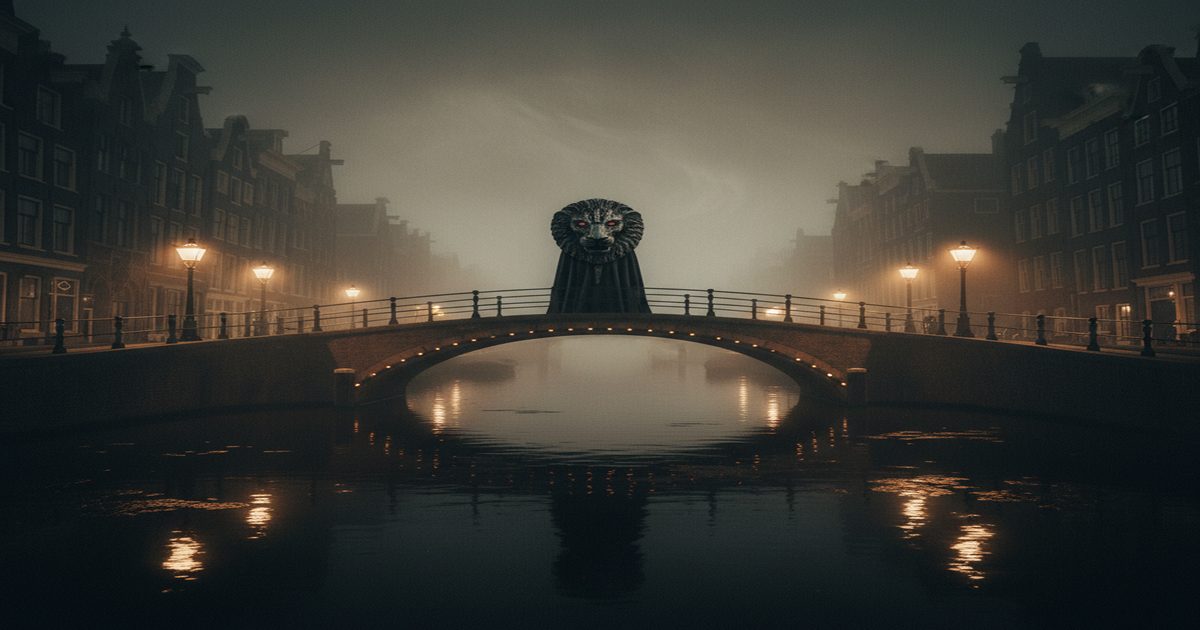
The screen shows an Amsterdam alley. The detective looks up. Behind him, a mask hangs on the wall — mouth agape, hooked nose, stone-cold skin.
Sphinx arrived in March 2026 on Channel 4: six episodes, leaden tone, Dutch setting. But there is something beneath the procedural. Something ancient. Something pagan.
Masks That Stare Back Through Time
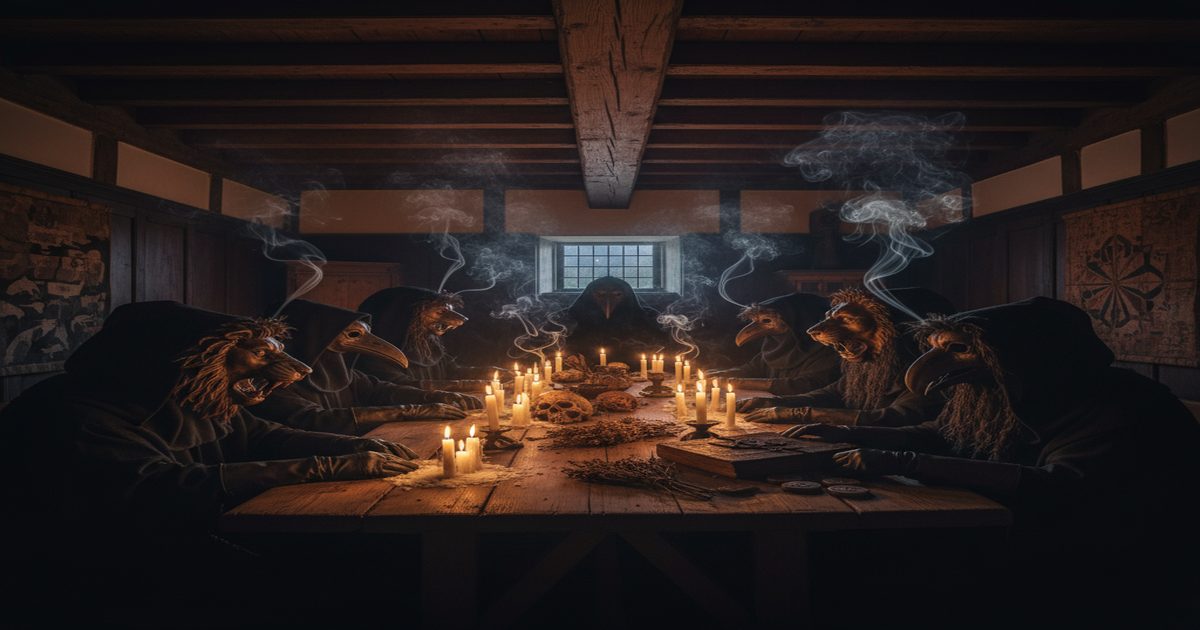
The first thing Sphinx gets right is its use of ritual symbols. The perpetrators wear ceremonial masks — lion and bird — iconography rooted in pre-Roman traditions, in boundary rites between summer and winter, between the living and the dead.
The Netherlands holds a pagan memory longer than its tourism likes to show. Before Calvinism. Before the churches. There were field rites, water deity ceremonies, rituals tied to the flood delta. Sphinx puts them on screen without explaining them. That restraint is its darkest strength.
The tone echoes Se7en, Prisoners, Mindhunter — but with a geographic specificity those films never had. Amsterdam and its canals create a city that cannot be lifted out of context. Water is everywhere. Water remembers.
When Crime Is Only the Surface
The procedural is the shell. The pagan horror is the core.
This structure is not new — folk horror has exploited it for decades. The Wicker Man (1973) already understood that real fear doesn’t come from a monster but from a community with its own rules. Midsommar refined that lesson in 2019. Sphinx works the same principle, but inside a contemporary European city.
Setting the ritual crime in Amsterdam is not accidental. The city carries a historical layering that unnerves. Canals dug in the seventeenth century over land the sea kept claiming. Houses that tilt. Foundations that shift. Amsterdam floats — and beneath the water lies everything that was buried.
The Dark Tradition of the Netherlands
Few European countries carry a religious history as brutal. Dutch Calvinism in the seventeenth century was rigid as iron, intolerant as a vice. But beneath and alongside that rigidity, older traditions persisted — ones no church could fully extinguish.
Witch trials peaked between 1590 and 1650. Secret confraternities nested inside the gabled merchant houses. The Spanish Inquisition had left deep scars in the southern territories. That bodily memory endured. It lives in proverbs, in grandparents’ stories, in the architecture of the oldest houses — the smell of cold stone, the creak of beams that hold centuries.
“Fear invents nothing. It collects what was already there, beneath the still surface of the water.”
Amsterdam’s torture museum is not a standard tourist attraction. It is a somatic archive. A catalogue of what one people did to another in the name of purity — and the faint odor of rust and old iron seems to linger between those glass cases still.
Those wanting to go deeper will find rich material in the piece on Amsterdam’s 750 years of dark history and in the survey of Dutch folklore and legends.
Amsterdam as a Map of the Unconscious
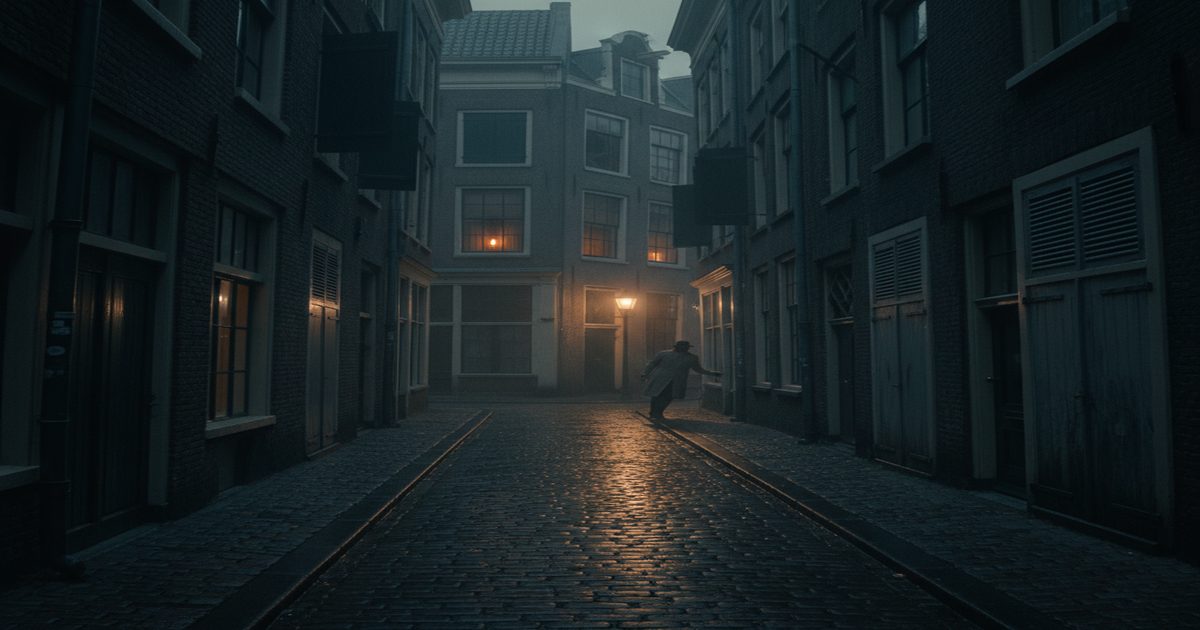
There is a particular quality to Dutch canals at night. The smell of algae and still water rises from the black surface. The sound of a bicycle on wet cobblestones lingers a second too long. Street lamps multiply in the water below like eyes behind glass.
It is this quality that Jan Willem Koster captured in The Brothel of Shadows. Amsterdam as a psychic labyrinth — a city that dreams itself and dreams its inhabitants. The red-light district of the 1980s as liminal space, neither inside nor outside conventional reality. Sphinx touches the same nerve.
The detective in Sphinx walks a familiar city that conceals layers he cannot read. It is the same condition Alex inhabits in the novel — an ordinary man in a city he knows but has stopped understanding. As explored in the piece on horror settings in forbidden places, certain urban spaces hold a memory that resists rational explanation.
Dutch Gothic as a Rising Genre
Sphinx is not an isolated case. It marks a trend: Northern European gothic is finding an international audience. The series slots into a narrative tradition deeper than it first appears.
Dutch folklore is packed with creatures cinema has barely touched. The Kludde, the shape-shifting monster of Flemish canals. The Nachtkrabber, the night creature that scratches house ceilings from above. Powerful narrative material, nearly unexplored outside academic circles. Someone just needs to dig.
What Sphinx did precisely was bring that tradition to an international screen. It made it visible to readers and viewers who didn’t know they were looking for it. And those who watch Sphinx at two in the morning — in the silence between episodes — feel something they recognize but cannot name.
The Amsterdam of the 1980s — the port, the changing neighborhoods, the narrow houses wedged between canals — is already an archive of untold stories. Sphinx knows this. And it uses it.
The ending of Sphinx leaves a precise feeling. Not resolution. The certainty that something has been left open — a door that seemed shut but was only pulled to.
That is the mark of Northern European gothic at its best. Not fear of what is revealed, but of what is never fully explained. The masks in Sphinx are still watching. Even after the screen goes dark.
Something moves behind reality. Jan Willem Koster saw it and wrote it down.
Read the novel →