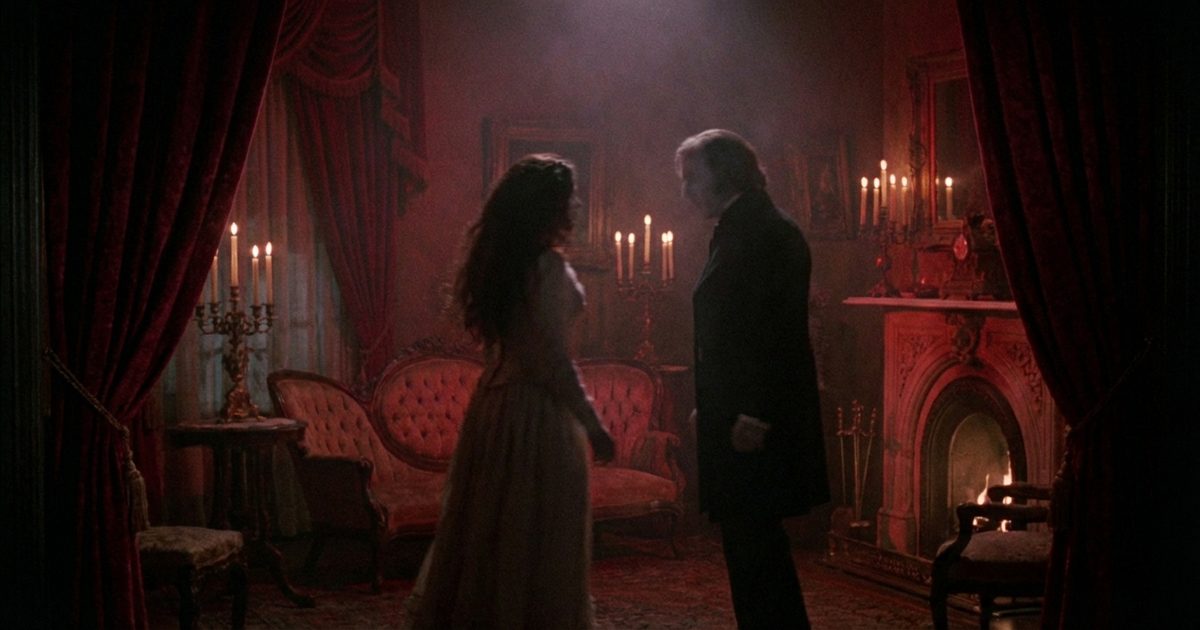
There is a scene in Sheridan Le Fanu's Carmilla, published in 1872, that remains one of the most quietly devastating passages in all of gothic literature. The young narrator Laura describes the nightly visits of her mysterious companion — the warmth of breath on her neck, the strange languor that follows, the sensation of surrendering to something she cannot name and does not wish to resist. It is, unmistakably, a scene of seduction. It is also, unmistakably, a scene of predation. And the genius of Le Fanu is that he refuses to let you separate the two.
This refusal — the insistence that desire and terror are not opposites but accomplices — is the beating heart of erotic horror fiction. It is a tradition that stretches back centuries and forward into the most compelling dark fiction being written today. It is a genre that has always been marginalized, always been whispered about, and has never stopped being essential.
The vampire's embrace: origins of erotic horror
The gothic novel was erotic from the very beginning, even when it pretended not to be. The imprisoned maidens of Ann Radcliffe's castles, the monk Ambrosio's downfall in Matthew Lewis's The Monk, the creature's desperate need for a companion in Mary Shelley's Frankenstein — these narratives pulse with repressed desire that finds its expression in terror. The gothic understood, before psychoanalysis gave it a vocabulary, that what we most fear and what we most desire often share the same dark root.
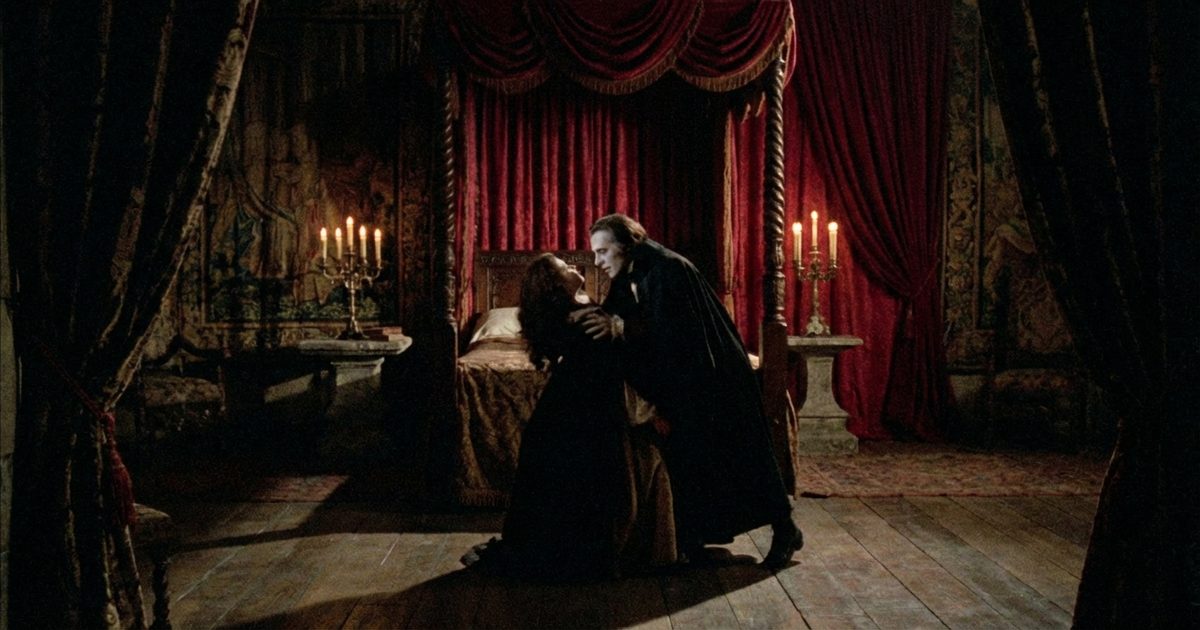
But it was the vampire who became the supreme embodiment of this fusion. From Polidori's Lord Ruthven through Le Fanu's Carmilla to Bram Stoker's Dracula, the vampire is the figure who makes the connection between desire and death explicit. The vampire's bite is a kiss. The victim's terror is also ecstasy. The exchange of blood is an intimacy more profound and more dangerous than any human coupling. Every vampire story is, at some level, a story about the terror of wanting something that will destroy you — and wanting it anyway.
The twentieth century: from subtext to text
For much of the twentieth century, erotic horror existed primarily in the margins — in pulp magazines with lurid covers, in the coded language of writers who could suggest but not state. Then came the writers who tore down the curtain. Anne Rice, with her Vampire Chronicles, made the eroticism of the vampire explicit, sensual, and unapologetic. Her vampires were creatures of extraordinary beauty and extraordinary cruelty, and the pleasure they offered was inseparable from the annihilation they promised.
Clive Barker went further. In works like The Hellbound Heart and the stories collected in his Books of Blood, Barker created a universe where pleasure and pain were not merely connected but identical — two names for the same sensation, distinguished only by the inadequacy of human language. His Cenobites, the order of beings who explore the outer limits of sensation, are the logical conclusion of erotic horror: entities for whom the distinction between ecstasy and agony has simply ceased to exist.
These writers did not invent erotic horror. They revealed what had always been there, hidden beneath the propriety of earlier centuries. They gave the genre permission to be honest about what it was.
The body as battlefield
Erotic horror is distinguished from mere titillation by one crucial element: it takes the body seriously. Where pornography treats the body as a source of uncomplicated pleasure and conventional horror treats it as a source of uncomplicated fear, erotic horror insists that the body is a site of profound ambiguity — capable of sensations that refuse to be categorized as either pleasant or painful, desirable or repulsive.
This is why body horror and transformation have always been closely allied with erotic horror. The transformation of flesh — whether through vampiric infection, demonic possession, or cosmic mutation — is both a violation and a transcendence. The body that changes is a body that has been touched by something beyond the ordinary, something that leaves marks deeper than skin. The horror is not only in the change itself but in the recognition that part of you welcomed it.
The brothel as liminal space
Few settings in fiction embody the intersection of desire and danger more precisely than the brothel. It is a space dedicated entirely to the transaction of desire, a place where the masks of everyday life are removed and replaced with other, more honest masks. It exists at the boundary between the respectable and the forbidden, the visible and the hidden, the controlled and the chaotic.
In horror fiction, the brothel becomes something more: a threshold between worlds. It is already a place where normal rules are suspended, where identity becomes fluid, where you might become someone — or something — you would not recognize in the light of day. Add a supernatural element, and the brothel transforms from a house of pleasure into a house of revelation, where the desires you bring through the door are the very instruments of your undoing.
This is the territory that Jan Willem Koster's The Brothel of Shadows occupies with such disturbing precision. Set in 1980s Amsterdam, the novel presents a brothel that exists in the margins of reality itself — a place where the transactions are not merely physical but metaphysical, where what is exchanged is not money for pleasure but identity for knowledge that cannot be unlearned.
Koster's genius lies in his refusal to separate the erotic from the horrific. In The Brothel of Shadows, the moments of desire are the moments of greatest danger, and the moments of greatest terror are suffused with a dark, undeniable attraction. The protagonist Alex is drawn to the brothel not despite its horrors but because of them — because the horror is the truest expression of the desire that brought him there in the first place.
Dark romance and its shadow
The contemporary publishing landscape has seen an explosion of dark romance — stories that pair love with danger, desire with domination, tenderness with cruelty. The genre is enormously popular, and its best practitioners are skilled writers who understand the psychology of attraction to dangerous partners and forbidden situations.
But erotic horror is not dark romance. Dark romance, however dark, typically promises a resolution — a safe word, a redemption arc, a love that survives the darkness. Erotic horror makes no such promise. It asks you to look at desire without the safety net of narrative reassurance. It says: this is what wanting really looks like, stripped of every comfortable fiction. It is not safe. It does not end well. And you cannot look away.
This is why erotic horror remains the more challenging and, for many readers, the more rewarding genre. It does not flatter you. It does not promise that your desires are harmless. It shows you the teeth behind the smile and asks if you still want to lean closer.
The future of erotic horror
We are living through a renaissance of erotic horror fiction. The success of dark academia horror on BookTok, the growing appetite for fiction that refuses to separate the body's pleasures from its terrors, and the emergence of writers willing to push beyond the boundaries of conventional genre fiction all point toward a future in which erotic horror reclaims its place at the center of the gothic tradition.
The genre's enduring power lies in its honesty. We are creatures of desire and fear in equal measure, and the fiction that acknowledges both — that refuses to pretend they can be neatly separated — tells us something true about what it means to be human. Or, in the case of the best erotic horror, what it means to stand at the border of the human and the something else that waits on the other side.
Step across the threshold. Discover where desire leads when there is no turning back.
Read the Novel →