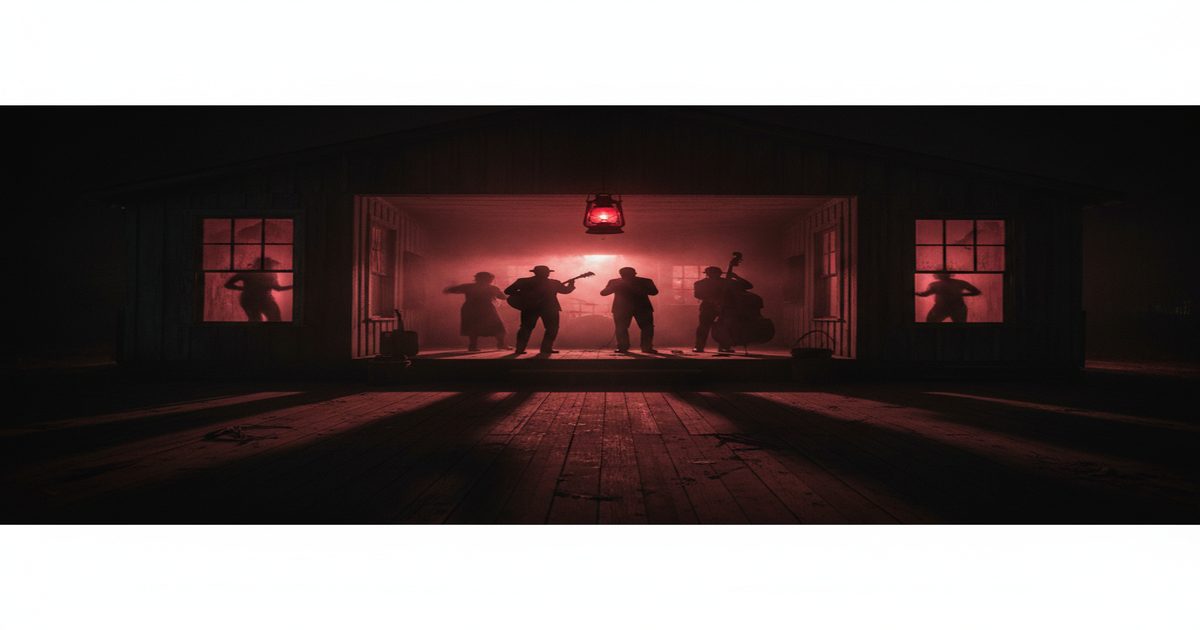
Sixteen Oscar nominations. For a horror film.
Ryan Coogler brought Sinners to the Academy in 2026 — a vampire story set in 1932 Mississippi that convinced the most prestigious film institution in the world that terror deserves serious recognition. The genre has been waiting for this moment for decades.
What changes when horror wins the Oscar?
Elevated horror is the only subgenre that refuses to apologize for what it is. It takes the machinery of fear — the dread, the darkness, the monster — and uses it to say something true about the world. Something that a prestige drama couldn’t say without flinching.
For years, the industry treated horror as disposable entertainment. Something for teenagers, for cheap thrills, for midnight screenings. Then Jordan Peele released Get Out and the conversation shifted permanently.
Now, with Sinners and its sixteen nominations, the shift is complete.
The roots of elevated horror: from The Witch to Get Out
Robert Eggers built The Witch in 2015 around a simple, devastating idea: what if the monster is faith itself? A Puritan family in colonial New England, a black wood, a goat named Black Phillip. The terror grows from inside — from a belief system that eats its own.
Peele’s Get Out two years later encoded American racism so precisely into genre structure that rewatching it feels like reading a document. Every cheerful smile hides something cold. Every polite gesture is a trap.
The monster was already in the room.
Ryan Coogler and the blues as cosmic gateway
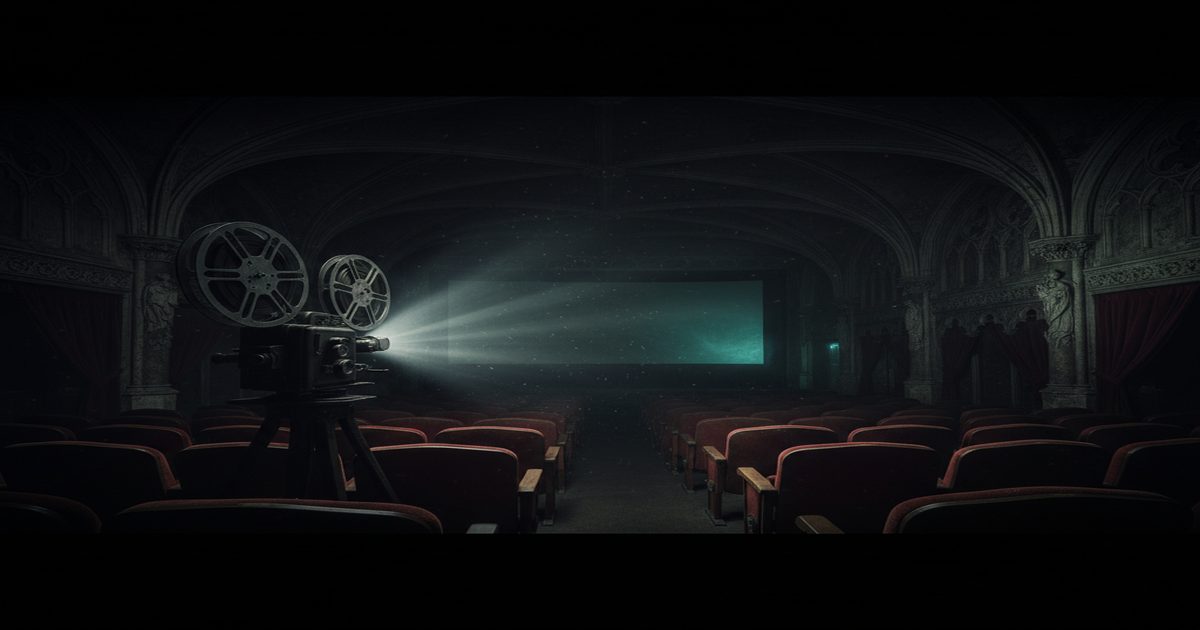
In Sinners, twin brothers open a juke joint in the Deep South. The smell of bourbon on old wood, the heat of bodies moving under lantern light, the sound of blues rising toward the ceiling like a prayer with nowhere to go.
Then the vampires arrive. But Coogler’s vampires don’t wear European capes. They carry something far older: the ability to extract the essence of a culture, to absorb it, to leave it hollow. The same thing that was done once before in that Mississippi, to that music, to those bodies.
The metaphor is precise. And that precision is the point — elevated horror works when the allegory is sharp enough to function as a second film running inside the first.
“The blues is the only American music born from pain and transformed into joy. Coogler asks: what happens when that magic calls something that shouldn’t answer?”
Lovecraft understood this mechanism in The Music of Erich Zann: a musician playing to keep something at bay. When he stops, it enters. Art as seal. Art as door. Cosmic horror has always known the line between the two is paper-thin.
Why is elevated horror harder to forget?
A slasher scares you for three seconds. You jump, you laugh a little, you move on.
Elevated horror follows you home. You’re sitting on your couch three days later and the scene comes back — not for the blood, but for what it meant. Your brain keeps reaching for the bottom of the metaphor like a tongue returning to a broken tooth. It’s a cognitive itch that won’t scratch.
That’s the most honest definition of sustained terror. Not the jump. The residue.
What unites the directors of elevated horror?
Peele, Aster, Eggers, Coogler — different backgrounds, different aesthetics, different obsessions. Yet their films share one structural trait: the monster is not external to the story. It is the story. It rises from a crack already present in the world being depicted.
The horror doesn’t arrive. It was already there. The film just lifts the stone.
This is also why classic 1980s horror cinema still resonates so deeply — Carpenter, Cronenberg, Romero already understood that the monster was metaphor. Elevated horror in 2026 doesn’t invent anything new. It completes an insight that was always there, waiting forty years to be fully articulated.
The Brothel of Shadows and this tradition
Jan Willem Koster wrote The Brothel of Shadows along this same thread. Alex doesn’t encounter a monster that frightens — he encounters something that mirrors him. Xyl’khorrath isn’t pure cosmic hunger: it’s the magnified reflection of every human desire pushed to its absolute limit.
The brothel exists in that liminal zone where elevated horror lives: between what we want and what destroys us. There’s no villain to escape. There’s only the mirror, and the uncomfortable question of who’s looking back.
If the philosophy behind this kind of terror interests you, the tradition of cosmic pessimism and found footage subjectivity both trace the same architecture: the horror was always inside the frame.
Cross the threshold of forbidden knowledge. Enter the brothel.
Read the novel →Sixteen nominations. The Academy saw what horror readers have always known: terror is the most honest mirror we have. That juke joint scene you can’t shake — the golden statuette saw it too.