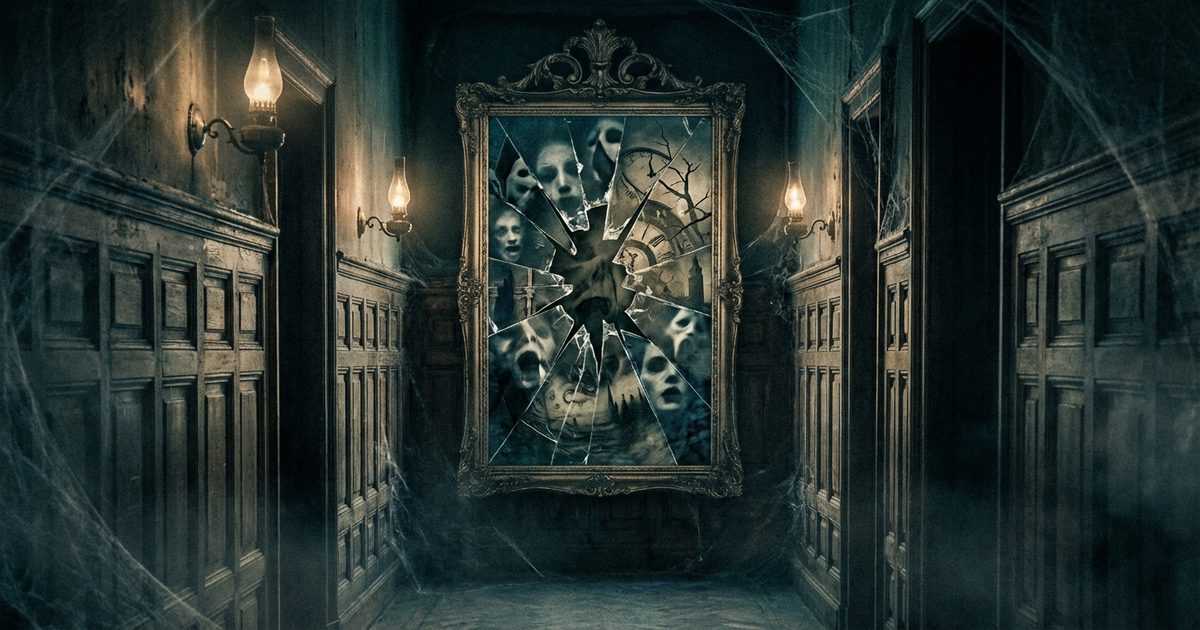
Some novels don't just scare you — they burrow into the way you perceive the world around you. After closing the book, you're left wondering if what you just read was really fiction at all. This is the territory of psychological horror: a genre that doesn't need clawed monsters to terrify you, because the most unsettling monster already lives inside the protagonist's mind — and, page by page, inside yours.
If you're looking for the best psychological horror books to add to your reading list in 2026, this guide explores the characteristics that make the genre unique and highlights some unmissable titles, including a European voice that deserves international attention.
What is psychological horror and why is it different
Traditional horror works on the external: creatures, blood, physical threats. Psychological horror flips this logic entirely. The source of fear is not what lurks in the shadows, but the doubt that the shadow exists only in your own perception. You no longer know whether to trust what you're reading, because the narrator themselves might be lying to you.
This fundamental difference expresses itself through several recurring narrative elements:
- Unreliable narrators — The reader sees the story through eyes that distort, omit, and reinvent. Every piece of information becomes suspect, and the truth remains perpetually elusive.
- Escalating paranoia — The tension doesn't explode: it ferments. It grows in silences, in details that seem normal until you realize they never were.
- Dissolving boundaries between reality and hallucination — The best novels in the genre pull the ground out from under your feet. Dream and waking life merge, and no scene is fully trustworthy.
- Psychological isolation — Even surrounded by other characters, the protagonist is alone. Their mind becomes a prison from which the reader cannot escape.
When these elements work together, the result is a reading experience that persists well beyond the last page. These aren't literary jump scares — they're a slow erosion of certainty.
The themes defining the best psychological horror books of 2026
The horror literary landscape of 2026 shows a clear trend: readers are seeking stories that engage them intellectually and emotionally, not just viscerally. The most compelling mind-bending horror novels of 2026 explore:
Identity as unstable ground
Who are we really when no one is watching? And what happens when we begin to suspect that the person we believe ourselves to be is a fragile construction, ready to crumble? The most effective novels in the genre transform the question of identity into a narrative trap from which the reader does not emerge unscathed.
Places that mirror mental states
In psychological horror, the setting is never just a backdrop. It is an extension of the protagonist's psyche. Corridors that never end, rooms that rearrange themselves at night, cities that seem to breathe: physical space becomes a map of inner disturbance. Those who love this approach will also find fascinating the link between gothic architecture and horror in Amsterdam's settings, where a city's historical past merges with nightmare.
The border between human and cosmic
Some of the best psychological horror books of 2026 hybridize psychological horror with cosmic undertones. The protagonist's mind doesn't just clash with inner demons, but with the perception that the universe itself is indifferent — or worse, hostile in ways that reason cannot contain. For those who want to explore this intersection further, the analysis of the relationship between Lovecraftian cosmic horror and contemporary fiction offers valuable insights.
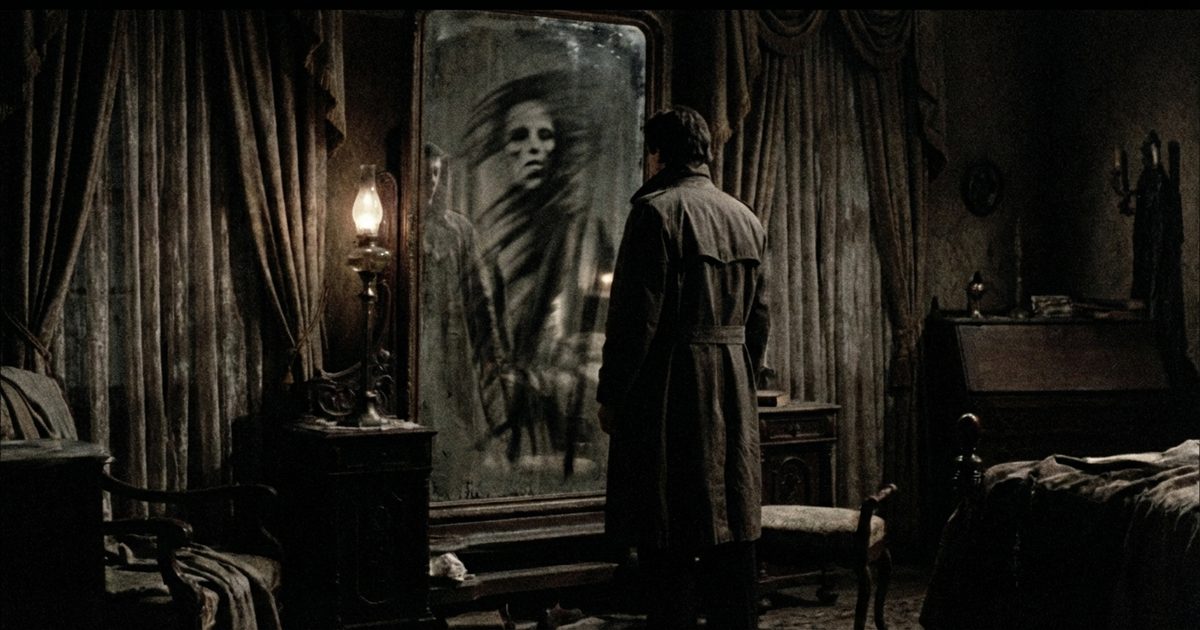
The Brothel of Shadows: psychological horror from Europe
The Brothel of Shadows — Cosmic Interception by Jan Willem Koster is a novel that sits at the crossroads of psychological, gothic, and cosmic horror. Set in 1980s Amsterdam, it tells the story of Alex, a man drawn into a mysterious brothel through recurring dreams he can no longer distinguish from reality.
What makes The Brothel of Shadows a standout among psychological thriller novels is its narrative structure. The reader enters Alex's mind and shares his progressive unraveling: every certainty is eroded, every memory called into question, every perception rendered ambiguous. The Amsterdam of this novel is not the tourist city we know, but a nocturnal labyrinth where the canals reflect realities that should not exist.
The novel plays with the very nature of narration. Jan Willem Koster constructs a mechanism in which the reader never knows with certainty what is real and what is a projection of the protagonist's mind. This permanent ambiguity is the work's stylistic signature: there is never a definitive answer, and the unease grows precisely because resolution is continuously denied.
The cosmic element adds yet another layer of disturbance. The brothel is not simply a physical place: it is something that exists beyond rational comprehension, something that chooses its own visitors and transforms them in ways that defy all logic. The fear in this novel does not come from what might happen, but from the awareness that something has already happened — and the protagonist is no longer the same person he was at the beginning.
Why read psychological horror in 2026
In an era dominated by rapid stimuli and fragmented content, psychological horror offers something rare: a reading experience that demands total attention and rewards with profound engagement. You cannot simply skim the pages; you must inhabit them, accept the discomfort, allow yourself to be led into territories where rationality no longer serves as a compass.
The best mind-bending horror novels of 2026 don't offer easy answers. They offer questions that linger in the mind long after the book has been closed. If you're looking for reads that don't merely entertain but change the way you look at the world around you, psychological horror is the ideal starting point.
And if you want to begin with a novel that embodies all of these elements — unreliable narrator, paranoia, dissolved reality, horror that surpasses the boundaries of the human mind — The Brothel of Shadows by Jan Willem Koster is a choice you won't easily forget.
Enter the Brothel. Only one way to find out how it ends.
Read the Novel →